
The Mozambique LNG Foundation has launched a three-year program designed to strengthen sustainable livelihoods and agricultural value chains in Cabo Delgado.
Cabo Delgado Governor Celebrates New Project to Empower Smallholder Farmers
The initiative will directly support around 5,000 smallholder farmers, contributing to increased household incomes, improved food security and stronger connections between producers and stable markets. Through project activities, the program will also contribute to the creation of 85 local jobs.
The intervention combines access to inputs, technical assistance, producer organization and structured market linkages. It promotes commercially viable and climate-resilient agricultural value chains centered on cashew, sesame and honey, while supporting the production of sorghum and horticultural crops to reinforce household food security.
Activities include the production of 150,000 high-yielding cashew seedlings, access to certified sesame seeds, the expansion of beekeeping, and support to local agricultural processing. The program will also train 200 lead farmers and promote the economic inclusion of around 1,000 women, particularly in agricultural processing linked to cashew value addition.
With a local team of more than 85 employees, the program contributes to diversifying the rural economy by introducing new crops, strengthening complementary activities such as beekeeping, stimulating local processing and integrating producers into more reliable and structured markets while strengthening technical capacities and generating employment at the provincial level.
Another 130 Young People Graduate from the MozYouth Internship Program in Cabo Delgado
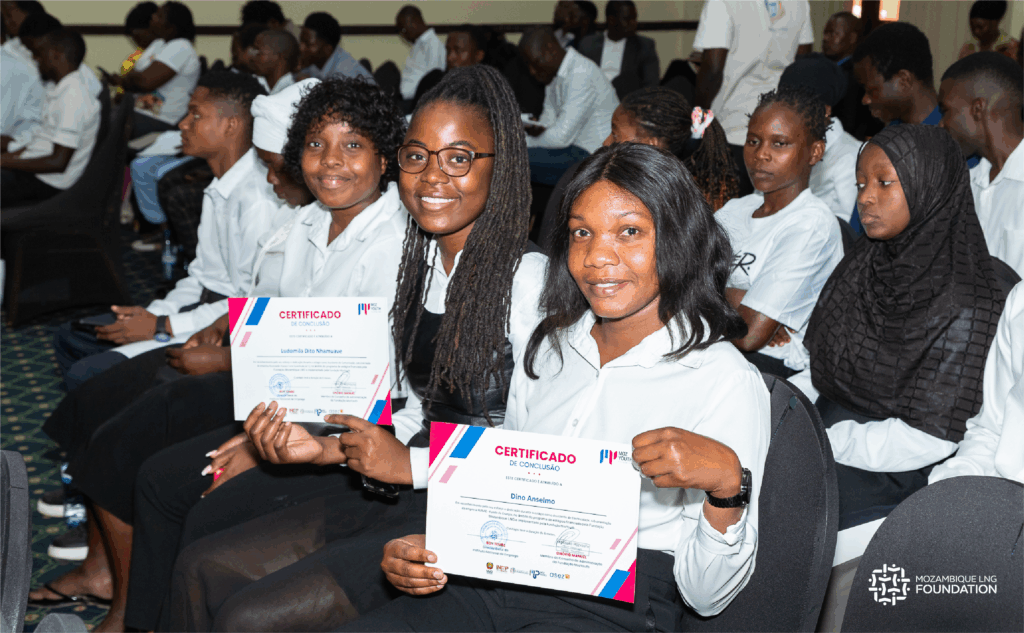
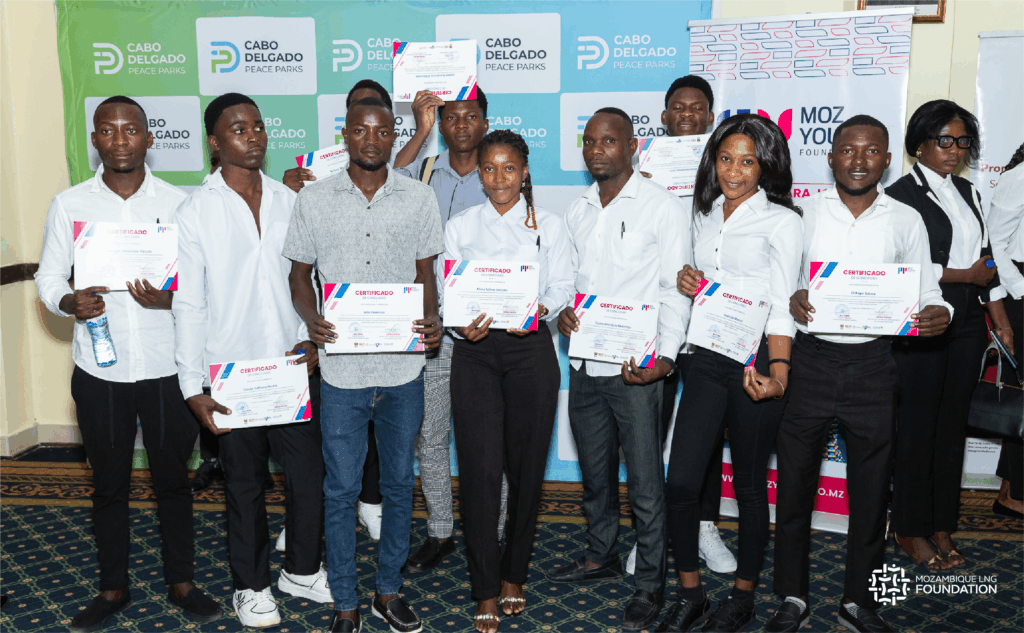
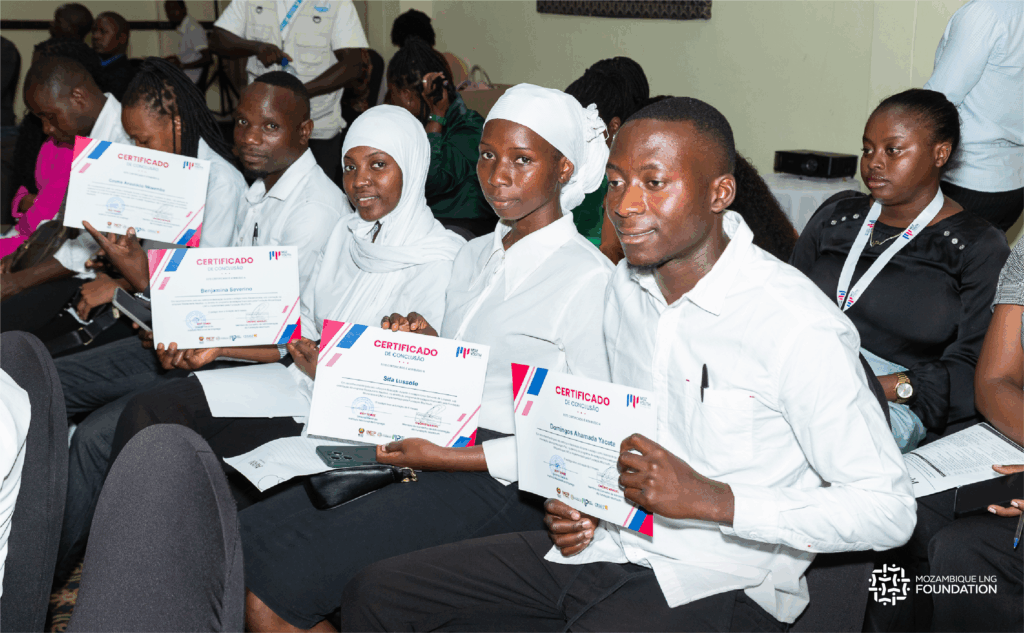
Cabo Delgado celebrated the graduation of 130 interns, marking the close of the MozYouth Internship Program 2024–2026, funded by the Mozambique LNG Foundation.
Over two years, the program benefited 500 young people — 60% of them women — across 11 districts of the province, offering paid professional internships in more than 100 partner companies and organizations. As a result, more than 50% of participants who completed their internship secured permanent employment or established independent sources of income.
Implemented by MozYouth, the program demonstrates how collaboration between the private sector, development organizations, and Government can create real opportunities for young people and drive local economic development.
This graduation marks an important milestone for the Foundation, reflecting its continued commitment to human capital development as a core pillar of its work in Cabo Delgado. Congratulations to all graduates, who today take an important step in their careers and in the future of Mozambique.
Mozambique LNG Foundation Receives Provincial Recognition in Cabo Delgado
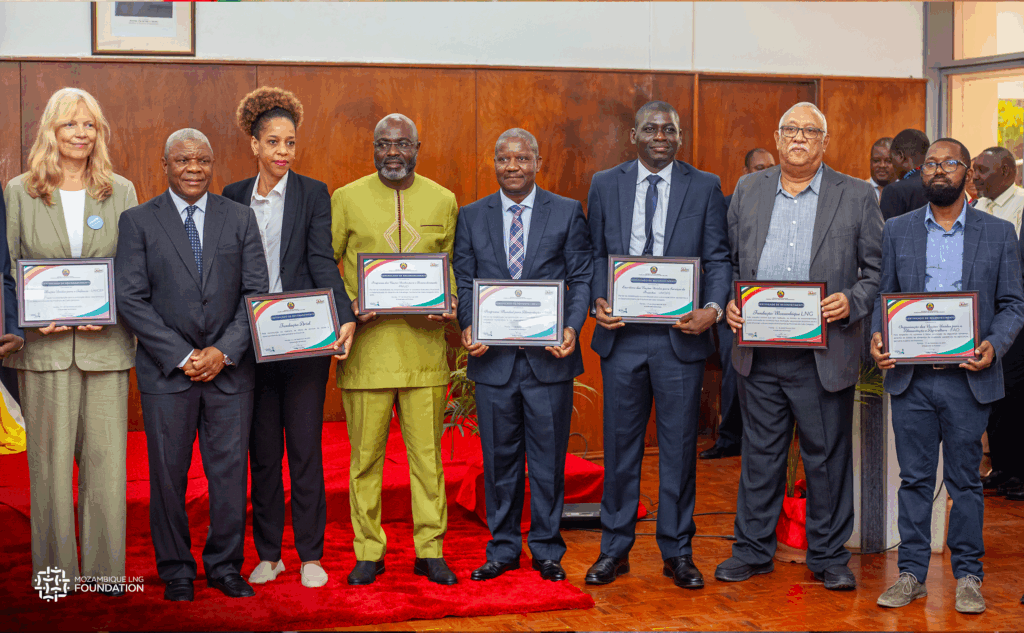
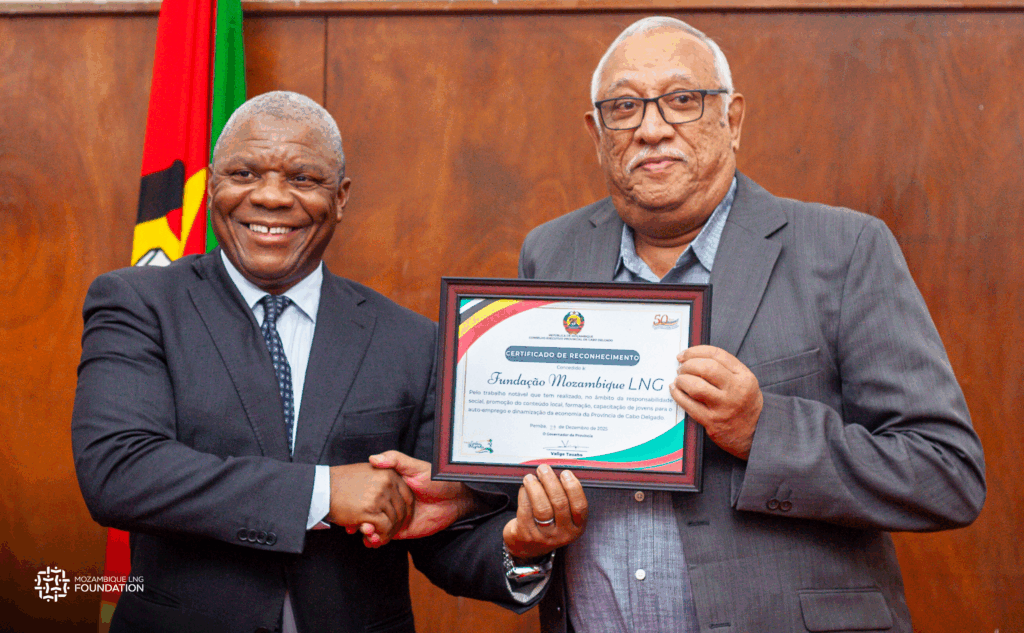
The Mozambique LNG Foundation, represented by Mr. Nurmomade Abdul Carimo, member of its Advisory Board, was honored with a Certificate of Recognition for its contributions to the province’s development priorities, awarded by the Provincial Executive Council through His Excellency, the Governor of Cabo Delgado, during an official ceremony, on February 24, 2026.
Held in the Provincial Capital, Pemba, the ceremony brought together representatives of public institutions, private sector companies, civil society organisations and development partners whose contributions supported the implementation of the Province’s plans and programmes throughout 2025.
In his address, the Governor emphasised the importance of partnerships in a context marked by significant challenges. Recognising the collective efforts of institutions working in the province, he stated:
“We wish to express our profound recognition for everything you have done to help maintain political, economic and social stability in the Province of Cabo Delgado, in a context of numerous challenges that we face, including terrorism, climate change and other hardships associated with poverty.”
The Governor further highlighted that, through the support of partners, the Province was able to expand and equip health facilities, build and furnish classrooms, develop water sources, assist displaced families with food supplies and agricultural inputs, strengthen institutional capacity, and reinforce community participation, transparency and good governance mechanisms.
Throughout 2025, the Foundation contributed to these provincial priorities through a portfolio of strategic interventions across human capital development and economic diversification. These included the rehabilitation and construction of schools serving thousands of students, the upgrade of health infrastructure, the installation of public solar lighting systems to improve safety and territorial connectivity, the reinforcement of agricultural value chains supporting thousands of smallholder farmers, and the operationalisation of the Fish Processing Unit in Mocímboa da Praia, strengthening the local fisheries value chain and generating employment opportunities.
This recognition represents an important institutional milestone as the Foundation closes its first year of activity. It reflects the continued alignment of the Foundation’s programmes with provincial priorities and reinforces its commitment to working in close coordination with the Provincial Government and other partners to advance sustainable and inclusive development for the people of Cabo Delgado.
President of the Republic Daniel Chapo and TotalEnergies CEO Patrick Pouyanné Inaugurate Fish Processing Unit in Mocímboa da Praia
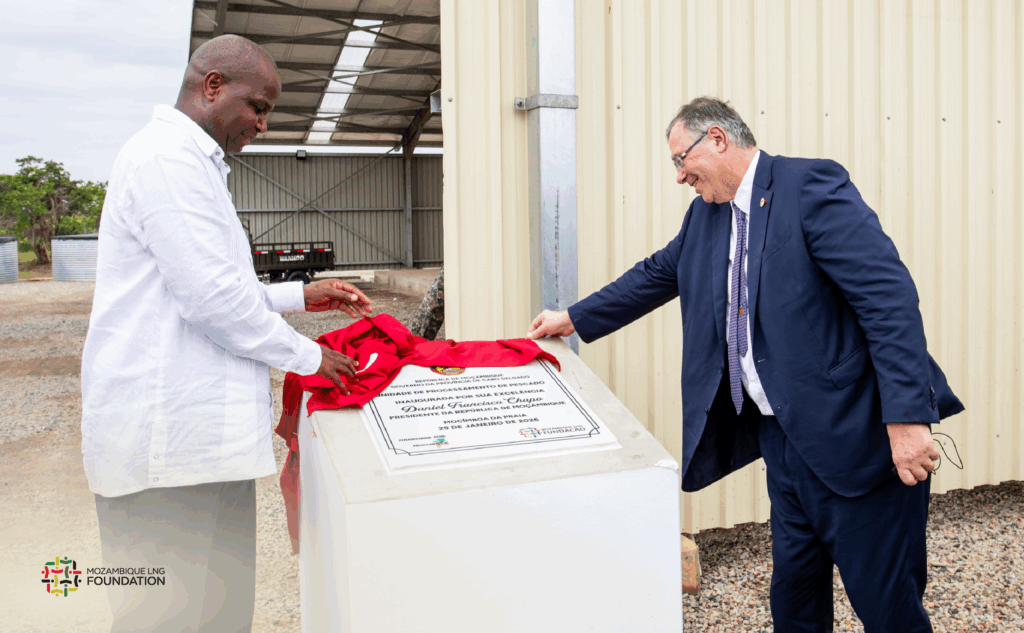
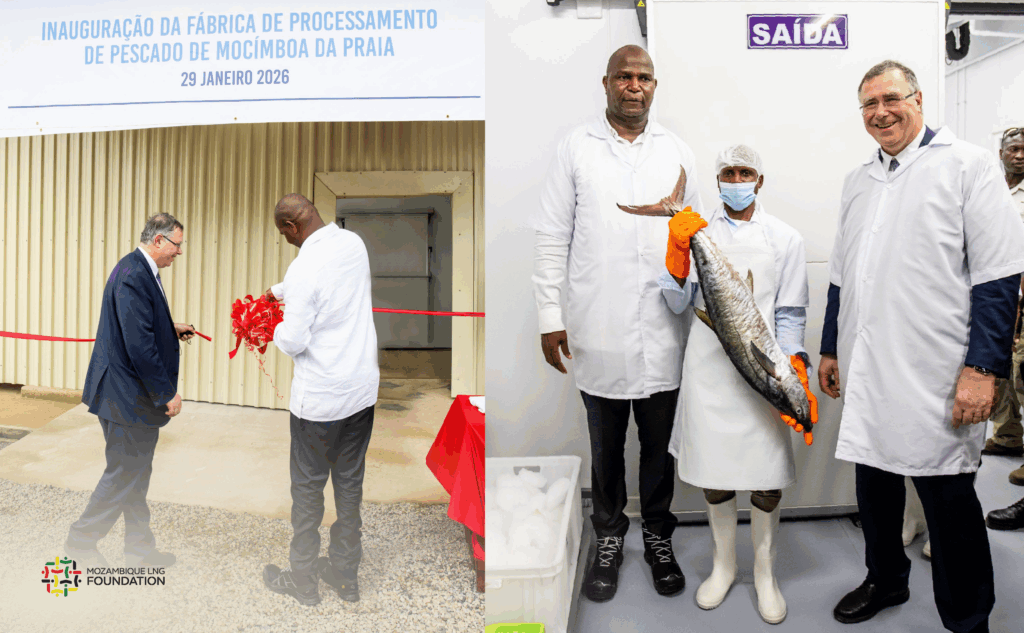
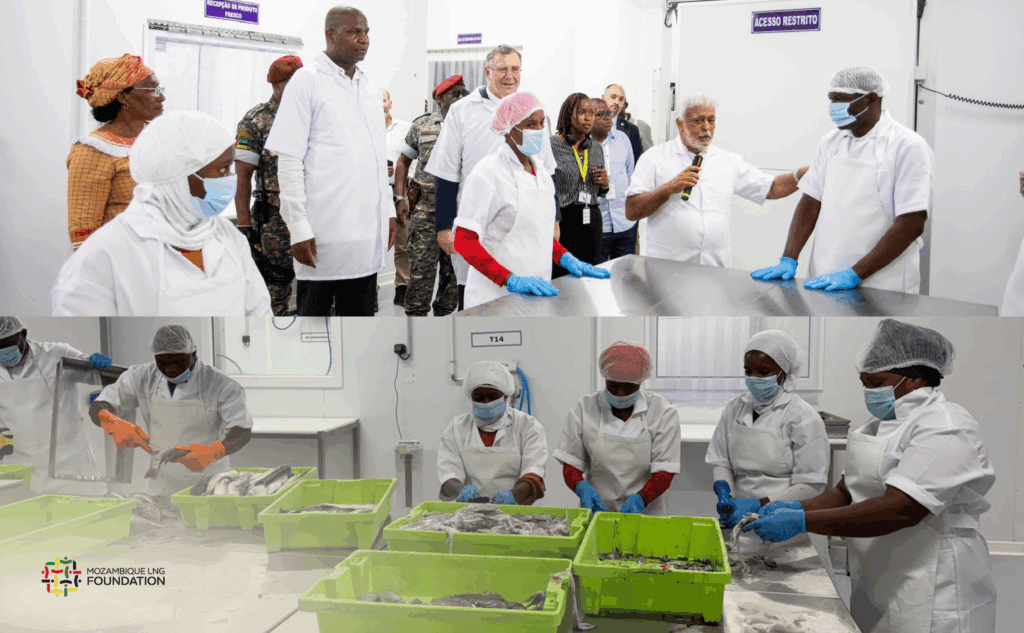
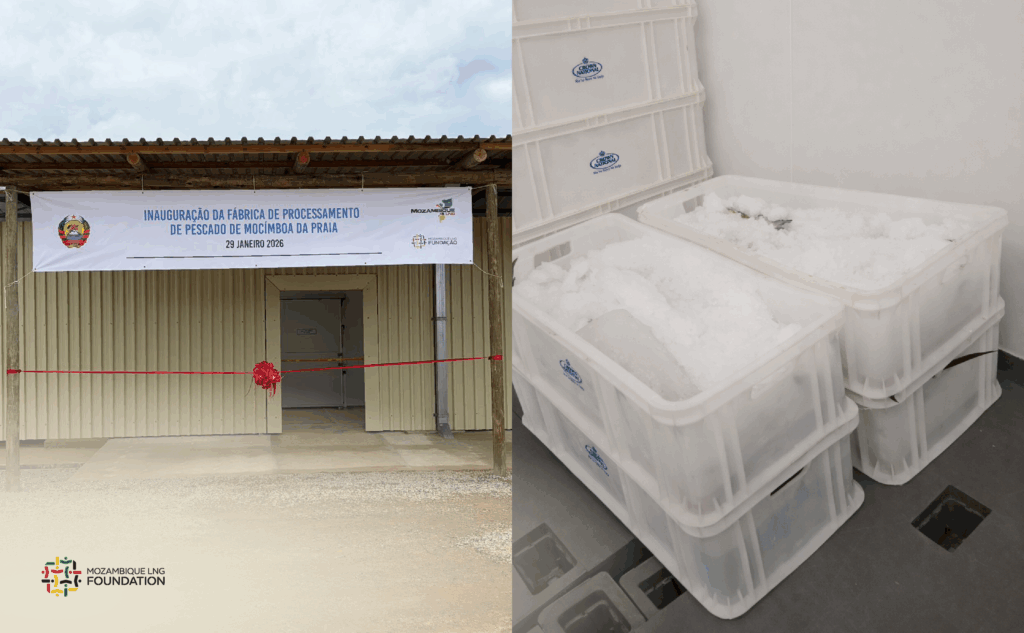
The Mozambique LNG Foundation marked a milestone in sustainable development in the province with the inauguration of a Fish Processing Unit on January 29. The event was attended by President Daniel Chapo and Patrick Pouyanné, CEO of TotalEnergies, operator of the Mozambique LNG Project.
The factory’s construction was financed by the Mozambique LNG Project, and its operation is funded by the Mozambique LNG Foundation. The unit represents a strategic investment to strengthen the local fishing sector. Equipped with state-of-the-art freezing technology and certified processing standards, it has a processing capacity of 90 tons per month.
This investment will directly benefit around 2,000 fishermen in a high-fishing activity area, generating over 70 local jobs, more stable incomes, and reduced waste. By supporting the growth of the fisheries value chain, it boosts the economy of Cabo Delgado’s coastal communities and generates sustainable revenue in the region.
The Mozambique LNG Foundation reaffirms its commitment to sustainable development in the region, creating real opportunities for local populations.
Cerimónia de Graduação Marca Conclusão da Formação de 200 Agentes Polivalentes de Saúde em Pemba


On the 18th, a graduation ceremony was held in Pemba to celebrate 200 Community Health Workers (Agentes Polivalentes de Saúde – APS) who successfully completed their training, promoted by the Cabo Delgado Provincial Health Directorate, with support from Mozambique LNG Foundation.
The event, attended by health authorities, trainers and development partners, marked an important step in strengthening community health service delivery in Cabo Delgado, a province facing significant challenges in access to basic healthcare.
During the ceremony, speakers highlighted the critical role that community health workers play in health promotion, disease prevention, and direct support to communities, particularly in remote and hard-to-reach areas. The training program delivered in line with the Ministry of Health’s curriculum, equips these professionals to respond effectively to local health needs and contributes to reinforcing the Community Health Subsystem.
The graduation of these 200 APS represents a concrete contribution to addressing the shortage of human resources for health in the province, with their deployment expected to help reduce existing service gaps and improve coverage at community level.
Representatives of the institutions involved reaffirmed their shared commitment to strengthening community-based healthcare, recognizing that access to primary health services is essential for the well-being of families and the sustainable development of communities.
Through this initiative, the Mozambique LNG Foundation reiterates its commitment to supporting actions that promote improved quality of life and equitable access to health services, in line with national priorities and Mozambique’s development objectives.
Pemba begins installation of new solar streetlights with support from the Mozambique LNG Foundation

The Municipal Council of Pemba launched today, 26 November 2025, the installation of new public streetlights, in an intervention financed by the Mozambique LNG Foundation to improve safety and night-time mobility across several neighborhoods of the city.
The operation includes the installation of new lighting points in previously dark areas, and the expansion of the network to peripheral zones. The municipality appealed for the protection of public assets, emphasizing that vandalism delays urban development and directly undermines community safety.
This action is part of a broader project that is installing 500 solar streetlight poles in Pemba, benefiting around 50,000 people. The use of solar technology strengthens energy resilience and creates safer conditions for night-time movement and economic activity. Studies indicate that adequate public lighting can reduce crime by up to 15%.
Aligned with the ENDE, the Energy Transition Strategy and PREDIN, this initiative represents a concrete contribution to recovery and inclusive development in northern Mozambique, reinforcing the joint commitment between local authorities and the Mozambique LNG Foundation to creating brighter, safer and more functional cities.
Mozambique LNG Foundation Partners with FSDMoç to Advance Financial Inclusion and MSME Growth

The Mozambique LNG Foundation signed a Memorandum of Understanding with Financial Sector Deepening Mozambique (FSDMoç), marking the start of a strategic collaboration to promote socioeconomic development in Cabo Delgado and across Mozambique. This partnership reflects a shared commitment to empowering communities, fostering financial and digital inclusion, and driving impactful research and investment initiatives aligned with national development priorities.
The first project under this partnership is the FinScope MSME Survey Mozambique, a nationwide study designed to provide fresh, reliable data on micro, small, and medium enterprises. This survey will assess the size and scope of MSMEs, map access to financial services, identify barriers to growth, and benchmark Mozambique against regional peers. By financing the data collection phase, including a deep dive in Cabo Delgado, the Foundation ensures that local businesses are represented and their needs understood. The insights generated will guide strategies that unlock opportunities for MSMEs and strengthen financial inclusion across the country.
To ensure strong technical implementation, the survey benefits from the involvement of several specialized technical partners. The National Institute of Statistics (INE) leads sampling design, enumerator training, field supervision, and data weighting. The Bank of Mozambique contributes to sample definition, provides GIS mapping of financial access points, and ensures alignment with the National Financial Inclusion Strategy. IPEME brings extensive practical experience in MSME development to support the interpretation of key data points, while FinMark Trust (FMT) enhances methodological robustness and ensures that the FinScope approach is updated and adapted to the Mozambican context.
Private Sector Joins Forces for Cabo Delgado’s Development


Pemba, October 16, 2025 — A landmark Memorandum of Understanding (MoU) was signed in Pemba under the Private Sector Partnership for Development (PSPD), marking a new chapter in coordinated private sector engagement for inclusive and sustainable development in northern Mozambique.
The MoU brings together ExxonMobil Moçambique Limitada, Fundação RESET (founded by members of the Ferreira dos Santos Family – JFS), the Mozambique LNG Foundation (founded by the Mozambique LNG consortium operated by TotalEnergies), Twigg Exploration and Mining Limitada (subsidiary of Syrah Resources), and the Vodacom Moçambique Foundation. These partners have committed to aligning their community investment efforts to support Cabo Delgado’s socio-economic priorities.
Speaking at the ceremony, Narjess Saidane, Chair of the Executive Committee of the Mozambique LNG Foundation, emphasized the importance of intentional collaboration: “We all invest in Cabo Delgado’s socio-economic priorities. By working together, we can align our actions and deliver greater impact in support of development policies,” she said.
She further highlighted that the PSPD is not a closed group, but an open invitation to other private sector actors: “We want to turn this initiative into a broad movement, bringing together companies willing to contribute in a coordinated way to the development priorities of Cabo Delgado Province.”
The signing event was held in the presence of His Excellency Dr. Valige Tauabo, Governor of Cabo Delgado Province, who welcomed the initiative as a model of genuine public-private partnership.
The PSPD aims to maximize collective impact, reduce duplication, and foster joint planning and transparency, reinforcing Mozambique’s commitment to the Sustainable Development Goals.
Mozambique LNG Foundation Joins Youth Graduation Ceremony in Cabo Delgado


The Mozambique LNG Foundation was honored to participate in the MozYouth internship graduation ceremony held in Pemba, Cabo Delgado. Representing the Foundation, our Head of Programs, Erika Rodrigues, joined the celebration of 173 young people who completed their internships — a milestone in their journey toward meaningful employment.
The graduates received their certificates after six months of practical and paid training, in the various sectors: transport and logistics, transport, hospitality and tourism, education, agriculture, among others.
The internship program, supported by the Mozambique LNG Foundation, connects youth with real-world work experiences, helping them build practical skills and confidence to enter the labor market. Since its launch in 2023, the initiative has reached hundreds of young people across northern Mozambique.
At the Foundation, we believe that investing in youth is a vital step toward sustainable development. By supporting skilling and employment pathways, we aim to contribute to lasting peace and prosperity in Cabo Delgado and beyond.
We are proud to stand alongside MozYouth and other partners in empowering the next generation of Mozambican professionals.
Rebuilding Hope: Six Schools Reconstructed and Handed Over in Cabo Delgado
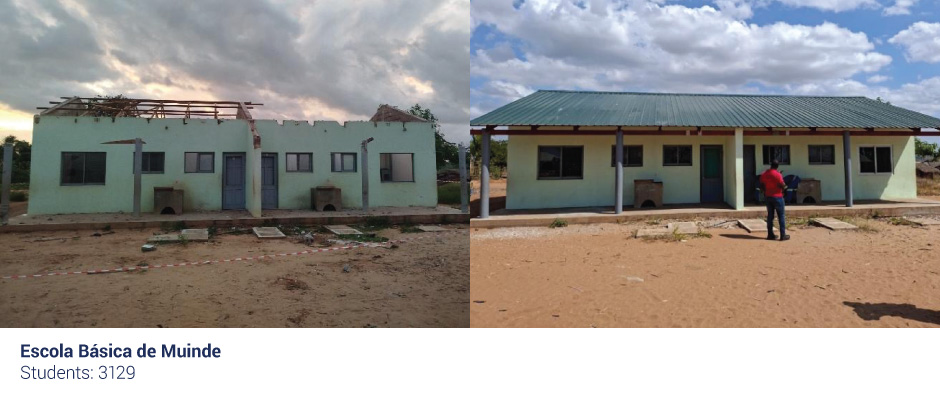
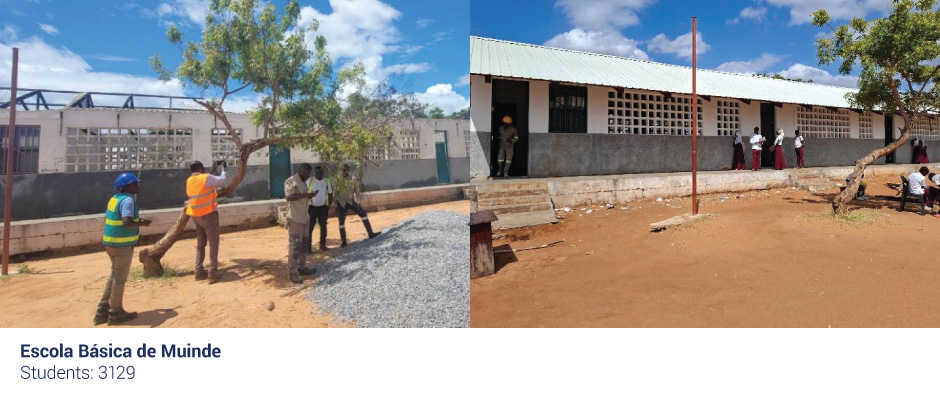
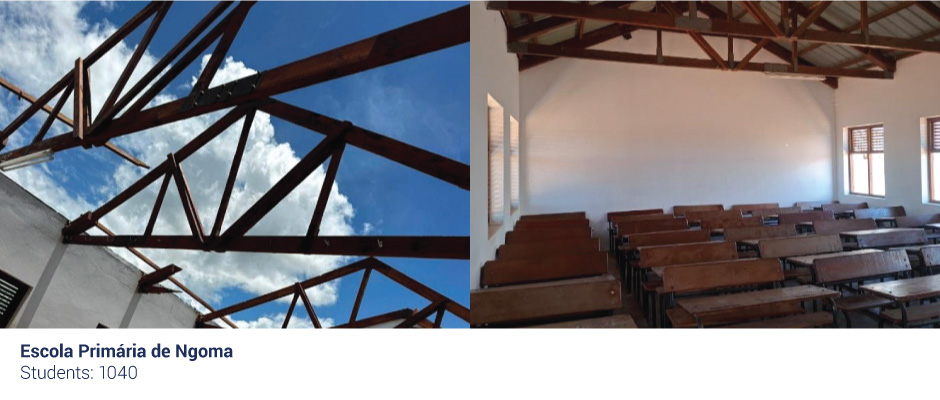
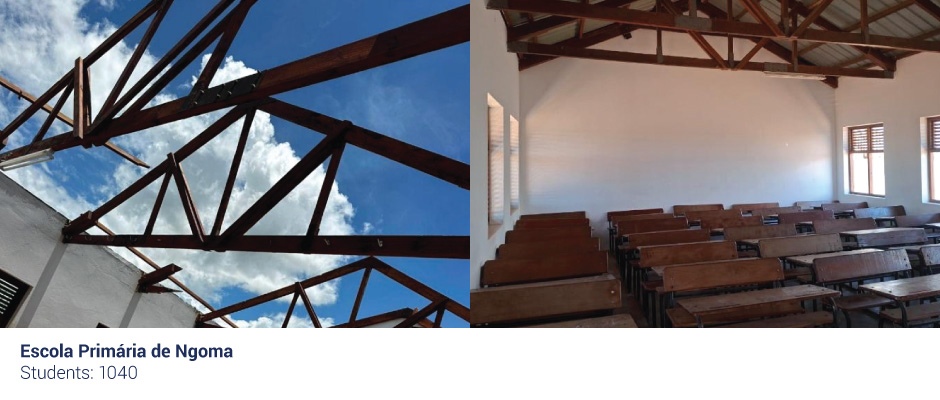
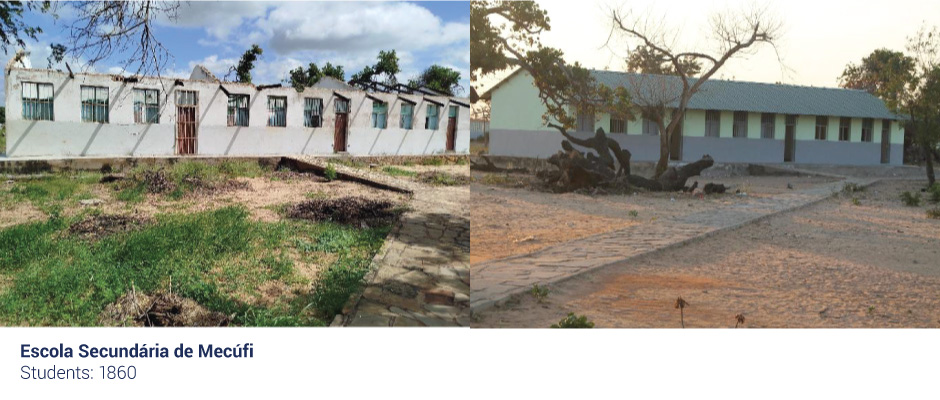
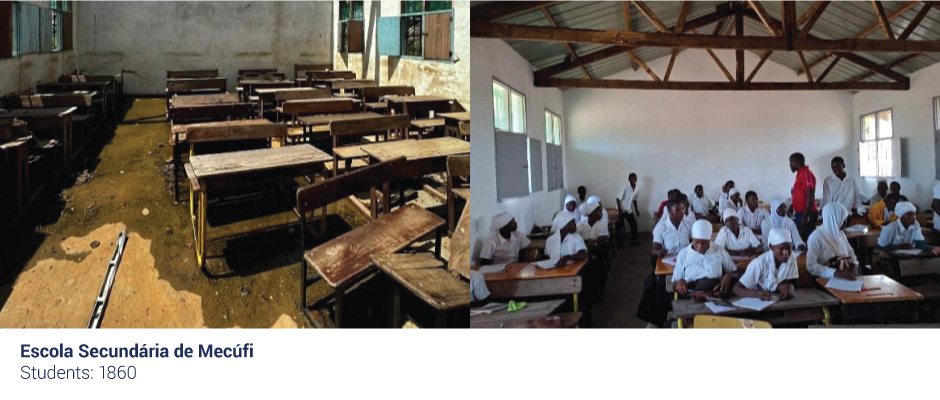
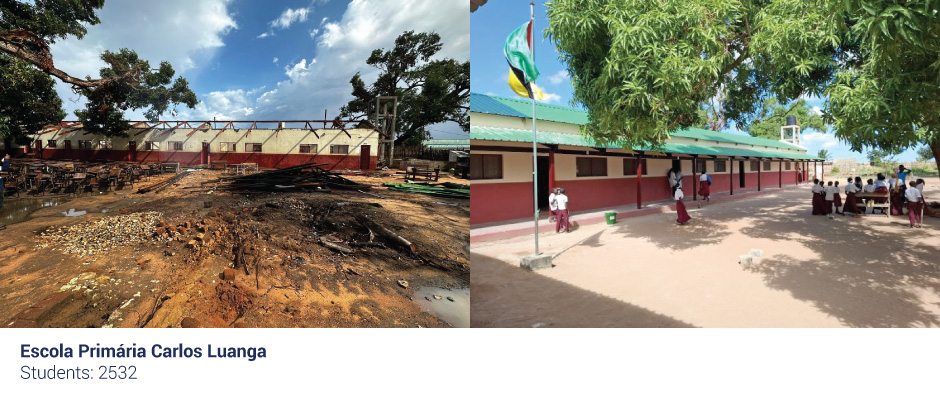
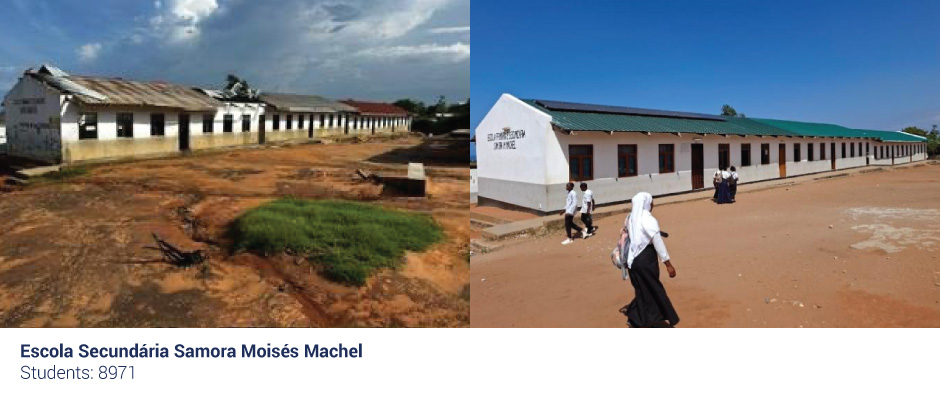
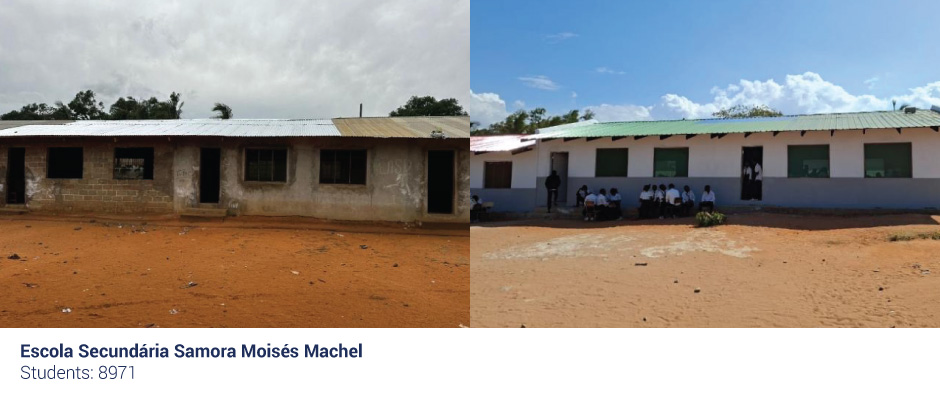
On August 12, a symbolic handover ceremony marked a major milestone in the Mozambique LNG Foundation’s post-Cyclone Chido recovery efforts. In the presence of the Governor of Cabo Delgado, the Mayor of Pemba, and the Provincial Director of Education, six fully reconstructed schools were officially handed over to the Government—bringing renewed hope and opportunity to over 23,000 students.
The schools, located in the districts of Mecufi and Pemba, include:
- Mecufi District: Mecufi Basic School (3,129 students), Ngoma Primary School (1,040 students), Mecufi Secondary School (1,860 students)
- Pemba District: Carlos Luanga Primary School (2,532 students), Muxara Basic School (5,632 students), Samora Machel Primary and Secondary School (8,971 students)
Each school now stands stronger and safer, ready to welcome students back into vibrant learning environments. The transformation is visible—and deeply felt—by the communities who witnessed the devastation and now celebrate a new chapter.
This initiative reflects our commitment to education, resilience, and partnership.
See the powerful before-and-after images of each school in the photo gallery — and witness the impact.